
The Real Cost of House Cleaning in Richmond, KY: A Guide to Fair Pricing & Quality Service


The true cost of quality house cleaning in Richmond, KY, goes beyond the advertised hourly rate. The best, most reliable service comes from professional companies that pay their employees a living wage, ensuring consistency, safety, and superior results. This stands in stark contrast to ultra-low-cost options that often come with the hidden risks of high turnover, lack of insurance, and inconsistent quality for homeowners.


our 50+ 5 star google reviews

Get a Free House Cleaning Quote Today!

Residential House Cleaning

Serving Lexington, Kentucky!  We also service Georgetown, Richmond, Nicholasville, Versailles, Paris & Winchester!

Finding a Cleaner in Richmond: Why Is the Price So Inconsistent?


If you've searched online for "house cleaners Richmond KY," you’ve likely seen a dizzying range of prices. You might find a solo cleaner on a social media site advertising rates as low as $15 or $16 an hour, while a professional residential cleaning service might provide a quote for an entire project that seems significantly higher. This isn't just random pricing; it's a reflection of two fundamentally different business models.

For many Richmond homeowners, from busy families in Boonesborough to faculty near Eastern Kentucky University (EKU), the goal is simple: to reclaim precious time and enjoy a clean, peaceful home. But choosing a cleaning service based on the lowest hourly rate is often a strategic mistake. The key to securing a truly reliable, high-quality, and consistent house cleaning service is understanding the economics of a local living wage and choosing a provider who invests in their employees rather than competing in a race to the bottom.


Our Services

SERVICES WE OFFER

Interested in a Quote?
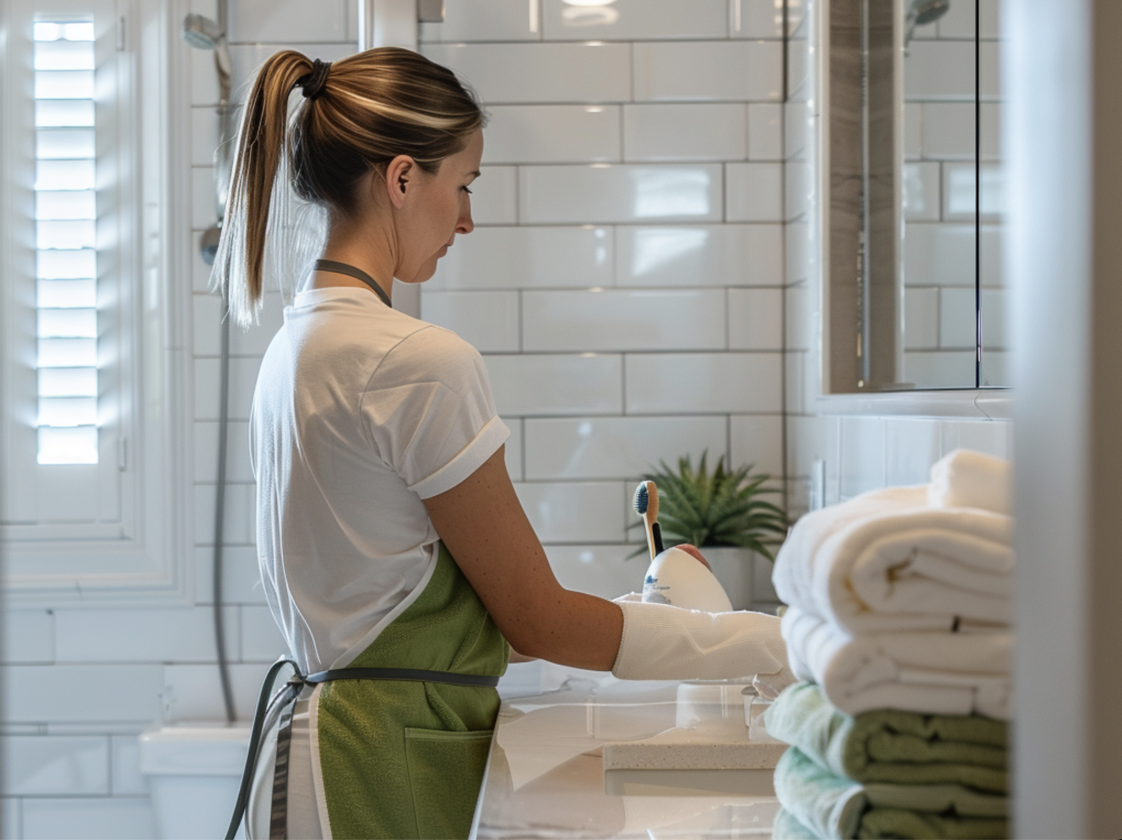
Cleaning Pro maid servicing a customer bathroom

The Hidden Story Behind Low Hourly Rates


That rock-bottom hourly rate can be tempting, but it’s crucial to look at what that number truly represents. It often conceals a reality that directly impacts the quality of service you receive in your home.


The "Living Wage" vs. The Advertised Price

Before you hire a cleaner, consider this critical piece of information: the living wage for a single adult in Kentucky is $20.09 per houraccording to comprehensive data from MIT. This is the minimum hourly income an individual needs to earn to cover basic necessities like housing, food, and transportation without relying on public assistance. When you see a service advertised for less than this amount, it's a major red flag.


How can a company or individual charge you, the customer, $16 per hour, and still run a business and pay their cleaner a living wage? The math simply doesn't work. This low price point often means the person cleaning your home is earning significantly less, leading to financial stress, high turnover, and a lack of motivation to provide a detailed, professional cleaning.


The Chasm Between Minimum Wage and a Professional Career


The situation becomes even more stark when you compare these rates to Kentucky's state minimum wage, which remains at just $7.25 per houra figure far below the calculated living wage. Professional house cleaning is a physically demanding, skilled profession. It's not a minimum-wage job.


A dedicated cleaning technician is a trained professional. They understand the right products for different surfaces, work efficiently to clean thoroughly, and take pride in their results. The typical annual salary for cleaning professionals in Kentucky is around $33,160 as reported by the Bureau of Labor Statistics. A career cleaner cannot build a stable life on minimum wage, and services built on that model struggle to retain the experienced, reliable housekeepers Richmond, KY homeowners deserve.


Comparing Your House Cleaning Options in Madison County

When you decide to hire house cleaner in Richmond KY, you generally have three types of providers to choose from. Understanding the differences is key to making a confident decision.


Factor Professional Service (Living Wage) Low-Cost Independent Cleaner Minimum Wage-Based Pricing
Price vs. Value Higher initial cost, but delivers exceptional value through reliability, quality, and peace of mind. Consistent results every time. Lowest hourly rate. Value can be inconsistent and may decline over time as reliability wanes. Appears cheap, but high turnover and lack of training lead to poor value and repeated work.
Employee Compensation Employees are paid a living wage, receive benefits, and are treated as valued professionals, leading to low turnover. Cleaner keeps a higher percentage of the fee, but often undercharges to compete, resulting in below-living-wage income. Cleaners are paid at or near the state minimum wage, creating financial instability and motivating them to rush jobs.
Reliability & Consistency Very high. If your regular cleaner is sick, a trained replacement is sent. You get the same high-quality clean every visit. Variable. Can be reliable initially, but there is no backup for sickness or personal days. Quality may vary. Extremely low. High turnover is the hallmark of this model. You will likely have a different, inexperienced person each time.
Insurance & Liability Fully insured and bonded. The company is liable for any accidental damage or theft, protecting the homeowner completely. Rarely insured or bonded. If something is broken, damaged, or stolen, the homeowner's insurance is responsible. Almost never insured. This is a primary cost-cutting measure, placing all risk on the client.
Support for Local Economy Strong. Creates stable, well-paying jobs in the Richmond community and pays local, state, and federal taxes. Moderate. Supports an individual, but may operate in the "grey economy" without paying appropriate business taxes. Minimal. Contributes to a cycle of low-wage work that can strain local resources rather than building community wealth.

The Tangible ROI of Paying a Fair Price for Cleaning

Choosing a professional residential cleaning service that invests in its staff isn't just an ethical choice; it's a practical one that delivers a clear return on your investment.

Reliability You Can Set Your Clock To

When a cleaning company pays a competitive, living wage, it attracts and retains top talent. This means you benefit from extremely low staff turnover. The same trusted home cleaner can service your house every time, whether you have a bi-weekly cleaning service or a monthly maid service in Richmond, KY. They learn your preferences, know how to handle your pets, and become a reliable part of your home management routine. You'll never have to worry about a last-minute cancellation before a holiday party or family visit.

Expertise that Saves Time and Delivers Quality

Professional companies invest in their people with thorough training. This brings us to a common question: "What can a cleaner do in 3 hours?" An untrained person might struggle to get a house surface-level clean in that time. A trained professional, however, works with a system. In three hours, they can typically perform a deep cleaning of the kitchen and two bathrooms—the most time-consuming areas—plus thoroughly vacuum and dust all common areas and bedrooms. Their efficiency and knowledge of the best green cleaning services and techniques mean a better, healthier clean for your family in less time.

Peace of Mind: The Value of an Insured and Bonded Cleaning Service

This is one of the most critical, yet overlooked, benefits. A reputable company will always be an insured and bonded cleaning service in Richmond, KY. This means:

  • General Liability Insurance: Protects your property from accidental damage. If a cleaner accidentally knocks over an expensive vase, the company's insurance covers the replacement, not your homeowner's policy.
  • Bonding: Protects you from theft. In the rare event that an employee is dishonest, the bonding insurance covers the client's losses.
  • Workers' Compensation: Protects you from liability if an employee is injured while cleaning your home. With an uninsured independent cleaner, you could be held personally liable for their medical bills.

Furthermore, trusted home cleaners from professional services always undergo rigorous background checks before they are ever allowed to step foot in a client's home. This is a non-negotiable standard for any service you entrust with a key to your house.


How to Hire an Ethical and Effective Cleaner in Richmond, KY


In a city with large institutions that require meticulous upkeep, professionalism is key. Consider that the University of Kentucky's Custodial Services Department is responsible for cleaning over 4.4 million square feet of space. This demonstrates the scale and expertise that professional cleaning demands. We bring that same level of dedication and systematic approach to your home.

Furthermore, professional housekeeping is a respected and vital career. Government agencies, such as the Kentucky Department of Criminal Justice Training, regularly hire for these essential roles. At Cleaning Pros Lexington KY, we honor this profession by investing in our team through rigorous training, background checks, and a supportive work environment. When you welcome us into your home, you can be reassured that you are working with trusted, skilled professionals.

Supporting the Lexington Economy, One Clean Home at a Time

Choosing a local company like Cleaning Pros Lexington KY is a direct investment in our community. The money you spend stays here—it pays the wages of your neighbors, supports other local businesses where our employees shop, and contributes to the local tax base that funds our schools and parks. You're not just buying a service; you're strengthening the economic fabric of Lexington, from the Southland corridor to the new developments out past Man o' War Boulevard.


Answering Your Top Question: What is a Fair Price for House Cleaning?

So, how much does it cost to clean a house in Richmond, KY? A fair price is one that allows the cleaning company to pay its staff a living wage, cover insurance, bonding, taxes, high-quality eco-friendly supplies, and operational overhead, while still delivering exceptional value. While hourly rates are a poor measure, a standard, recurring clean for an average-sized home in the greater Lexington and Richmond area typically ranges from $130 to $260 per visitbased on industry data. Services like a one-time deep cleaning, move-out cleaning, or post-construction cleaning will be priced differently based on the specific needs of the project. The best way to determine the cost for your home is to get a free house cleaning estimate.


Making the Right Choice for Your Needs

The "best" residential cleaners in Madison County, KY, depend entirely on your personal priorities. There isn't one right answer for everyone, but there is a right choice for you.


For the Budget-Conscious Homeowner

If your primary focus is the lowest possible price, an independent cleaner may be your choice. Our advice is to proceed with caution and diligence. Ask for multiple references and call them. Inquire about their experience and be prepared for potential inconsistencies in scheduling. Understand that you are likely taking on the risk yourself, as most solo cleaners are not insured or bonded. You are trading peace of mind for a lower upfront cost.


For the Busy Professional or Family

Your time is your most valuable asset. The stress of managing a household, especially with kids' activities and demanding careers, is immense. For you, the slightly higher cost of a professional cleaning service is a strategic investment. It buys you reliability, consistency, and the freedom to focus on what matters most. A recurring cleaning service is not a luxury; it's a tool that gives you back your weekends and reduces mental clutter.


For the Socially-Conscious Consumer

You believe in supporting the local Richmond economy and ethical business practices. For you, the choice is clear. Seek out a local or family-owned cleaning company that is transparent about paying a living wage. By choosing a service that invests in its employees, you're not just getting a clean home—you are contributing to a stronger, healthier community and ensuring the person caring for your home can care for their own family, too.

Ultimately, making an informed decision about who you invite into your home is about more than just price. It's about value, trust, and peace of mind. At Cleaning Pros, we have built our entire business on the principle that investing in our team is the only way to provide the exceptional, reliable service that Richmond families deserve. If you're ready for a consistently clean home and a service you can trust, we invite you to reach out. Contact our team at our Richmond, KY office today to get a free, no-obligation estimate for your home.
By Ronnie Proctor December 31, 2025
A professional maid service is a business that employs trained and vetted cleaning technicians to maintain residential homes. Beyond basic tidying, these services use specialized knowledge of chemistry, sanitation protocols, and safety regulations to improve a home's health, protect its surfaces, and provide homeowners with significant time savings. From Stigma to Skilled Trade: The Evolution of Professional Home Cleaning The term 'maid' often conjures an outdated image, one rooted in servitude rather than skill. For decades, house cleaning was viewed simply as a chore, a task anyone could perform with a bottle of cleaner and a roll of paper towels. But this perception is fundamentally misaligned with the reality of the modern professional cleanin g industry. Today, the role has evolved from a simple domestic task into a complex, skilled trade that requires technical knowledge, rigorous training, and a deep understanding of health and safety. This transformation is driven by a greater awareness of the home environment's impact on our well-being. A professional cleaner, or cleaning technician, is no longer just someone who tidies up; they are a frontline defender of a healthy living space. The industry now has robust certification programs that formalize this expertise. For example, many modern training regimens require technicians to master complex topics. Leading industry certifications now include detailed training on 'Infectious Disease Prevention,' which covers the fundamentals of viral and bacterial microbiology and, crucially, how to prevent cross-contamination from one surface to another according to certification bodies . This shift reframes the professional cleaning service. It's not a luxury for the wealthy; it is a specialized service, much like hiring an electrician or a plumber. You hire them for their specific expertise to ensure a job is done correctly, safely, and effectively, protecting the investment you've made in your home and the health of the people who live in it. The Cleaner as a 'Home Health Technician': The Science Behind a Truly Clean House The core thesis of modern professional house cleaning is that a clean home is a healthy home. This philosophy moves beyond aesthetics—a tidy appearance—and into the realm of microbiology. A true professional service operates as a form of preventative healthcare, systematically reducing environmental threats within your living space. This health-first approach is a major movement within the industry, where a key trend is the focus on cleaning as a method to protect public health and actively manage indoor air quality (IAQ) as reported by industry leaders . How does this work in practice? It comes down to a scientific, systematic approach: Allergen and Particulate Removal: Dust isn't just unsightly; it's a complex matrix of skin cells, pet dander, dust mites, pollen, and other microscopic irritants. Simply wiping a surface with a dry cloth often just kicks these allergens into the air. Professionals use high-quality microfiber cloths that trap particles and commercial-grade HEPA filter vacuums that capture airborne particles down to 0.3 microns, preventing them from being recirculated into the air you breathe. Cross-Contamination Prevention: An amateur might use the same cloth to wipe a kitchen counter and then a bathroom sink, unknowingly transferring bacteria like E. coli. A professional cleaning team employs a strict, color-coded system for cloths and mops. For example, red may be designated for high-risk areas like toilets (bathroom sanitation), while green is used exclusively for food preparation surfaces (kitchen cleaning). This simple system is a powerful tool in preventing the spread of germs. Targeted Disinfection Services: Not every surface needs to be sterilized. A professional understands where to focus disinfection efforts. They target high-touch points—doorknobs, light switches, faucets, and remote controls—that are common vectors for viruses and bacteria, effectively breaking the chain of infection within the home. This methodical approach transforms the home cleaning service from a simple task into a crucial part of home maintenance and family wellness. The Chemistry of Clean: More Than Just Soap and Water Walking down the cleaning aisle at any store reveals a dizzying array of products, each promising miraculous results. However, an untrained person can easily do more harm than good by choosing the wrong product for the surface. A professional cleaner is trained in the chemistry of cleaning, understanding that the right result requires the right product, the right dilution, and the right technique. This expertise includes a working knowledge of: The pH Scale: Professionals know that using an acidic cleaner (low pH) on natural stone like marble can etch and permanently damage the surface. They understand that an alkaline cleaner (high pH) is needed to break down grease and oils in a kitchen, while a neutral cleaner is safest for finished hardwood floors. Dwell Time: For a disinfectant to be effective, it must remain wet on a surface for a specific period, known as "dwell time." Simply spraying and immediately wiping a surface does not kill germs. Technicians are trained to apply disinfectants and allow them to work for the manufacturer-specified time—often 3 to 10 minutes—before wiping, ensuring true sanitation occurs. Safe Application: Mixing certain chemicals, like bleach and ammonia, can create toxic chloramine gas, a serious health hazard. A professional team is trained on chemical safety, proper ventilation, and the use of personal protective equipment (PPE). They also understand which green cleaning solutions are effective and which are simply marketing hype, allowing for a pet-friendly cleaning approach that is both safe and powerful. This knowledge protects your home's valuable surfaces—from granite countertops to custom cabinetry—and, more importantly, protects your family from the misuse of powerful cleaning agents. The Business of Safety and Trust: What Separates a Pro from a Gig The residential cleaning industry is a massive economic force, employing around 305,000 housecleaners in the United States alone according to OSHA data . Within this large market, there is a critical distinction between a professional cleaning service and an individual hired "under the table" or through a gig-work app. The difference lies in the professional infrastructure built around safety, liability, and trust. A legitimate professional company is a formal business that invests in protecting both its employees and its clients. This includes: Insurance and Bonding: If an uninsured individual accidentally breaks a valuable heirloom or damages your flooring, you may have little recourse other than small claims court. A professional service carries general liability insurance to cover such accidents. They are also bonded, which protects you from theft. This financial safety net is a hallmark of a trustworthy, reliable maid service. Worker Protections: Professional companies pay payroll taxes, contribute to Social Security, and carry workers' compensation insurance. If a cleaner is injured on the job in your home, the company's insurance covers their medical expenses and lost wages. If you hire an uninsured individual who gets hurt, you could be held personally liable for those costs. Vetting and Training: Hiring a stranger to enter your home requires immense trust. Professional services conduct thorough background checks on all staff. They also invest in ongoing training to ensure every cleaning team member understands the company's standards for quality, safety, and customer service. This is a stark contrast to gig platforms, where the level of vetting and training can vary dramatically. Choosing a professional, insured and bonded service means you are not just buying a clean house; you are investing in peace of mind and supporting a business that operates ethically and responsibly. Key Considerations: Independent Cleaner vs. Professional Service When deciding on home cleaning help, the choice often comes down to hiring an independent individual versus a professional company. While both can result in a clean home, their value propositions are very different. Here's a direct comparison of the key factors. Trust and Safety An independent cleaner may be a trusted referral, but they typically lack formal insurance or bonding, placing the liability for accidents, damage, or injury on the homeowner. A professional service provides a layer of protection through comprehensive insurance, bonding, and mandatory background checks for all staff, ensuring a consistent standard of safety and reliability. Expertise and Effectiveness An independent cleaner's skill is based on personal experience. A professional service provides standardized, ongoing training in chemistry, safety protocols, and efficient cleaning systems. They also invest in commercial-grade cleaning equipment and supplies, like HEPA filter vacuums and specialized tools for tasks like baseboard cleaning or appliance cleaning. This often results in a deeper, more consistent clean. Cost vs. Value An independent cleaner may offer a lower hourly rate because they have minimal overhead. However, a professional service's flat-rate pricing or hourly rate includes the cost of insurance, professional supplies, transportation, training, and fair wages for its employees. The "value" comes from the time saved, the quality guarantee, the protection from liability, and the superior results from professional-grade tools and techniques. Health Impact While any cleaning reduces dust, a professional service is specifically structured to maximize health benefits. Trained technicians use systematic approaches to prevent cross-contamination and are knowledgeable about proper disinfection. Their focus on improving indoor air quality through advanced filtration and detailed dusting offers a tangible health advantage over a more superficial clean. Answering Your Top Questions About Maid Services Navigating the world of home cleaning services can bring up many questions. Here are answers to some of the most common inquiries. What does a professional maid service include? A standard cleaning service typically includes a detailed cleaning checklist for each room. This usually covers dusting all surfaces, cleaning floors (vacuuming and mopping), tidying up, and fully cleaning and sanitizing the kitchen and bathrooms. A deep cleaning service goes further, addressing areas like inside the oven and refrigerator, wiping down all baseboards, cleaning light fixtures, and more. Most professional companies offer a customized cleaning plan, allowing you to choose from weekly cleaning, bi-weekly cleaning, or monthly cleaning schedules, and add on special services like window cleaning or post-construction cleaning. They may even have expertise in specific areas; for instance, many pros follow the comprehensive CRI 205 Residential Carpet Standard developed by the Carpet and Rug Institute to ensure proper care. Can you really get a whole house cleaned for $19? Promotional offers like those seen on platforms such as Homeaglow, Handy, or TaskRabbit are typically introductory loss-leaders designed to get you to try the service. These offers often come with significant limitations, such as a very short time limit (e.g., one hour), a list of excluded tasks, and pressure to sign up for a recurring subscription at a much higher rate. The individuals performing the work are gig workers, not employees, meaning the level of insurance, training, and vetting may not be comparable to a dedicated professional service. While it can be a way to get a small job done, it's not a realistic price for a comprehensive, whole-house cleaning. How much is a maid service per week? The cost of a weekly maid service varies widely based on your geographic location, the size of your home, and the level of cleaning required. Nationally, you can expect cleaning service prices to range from $120 to $250 per visit for a standard weekly cleaning of an average-sized home. Many companies offer a free estimate or cleaning quote to provide an exact price. A flat-rate pricing model is common for recurring services, providing cost predictability, while a one-time deep cleaning or move-in/move-out cleaning is often priced hourly or by the project. How much do professional maids get paid? Pay for cleaning professionals also varies by location and employer. However, employees of a professional service generally earn more than minimum wage, often in the range of $15 to $25 per hour or more, plus benefits if they are full-time. Reputable companies believe in providing a living wage, which contributes to a more stable, motivated, and professional workforce. This is a key differentiator from some gig economy platforms where net earnings can be significantly lower after factoring in platform fees, self-employment taxes, and lack of benefits. Making the Right Choice for Your Needs The best home cleaning solution is deeply personal. It depends entirely on your priorities, budget, and lifestyle. Rather than a one-size-fits-all answer, consider which of these profiles best describes you. For the Busy Professional/Family Your primary goal is reclaiming time and reducing mental load. The hours spent on weekend cleaning could be dedicated to family, hobbies, or rest. For you, the value of a professional service is the ultimate time-saving benefit. Look for a company with flexible scheduling, online booking, and a strong satisfaction guarantee. The investment pays for itself in restored work-life balance and the simple joy of coming home to a clean space without having to do the work yourself. For the Health-Conscious Homeowner You view your home as a sanctuary and are concerned with allergens, germs, and chemical safety. Your focus should be on a service's methods and materials. Ask specifically about their use of HEPA filter vacuums, their protocols for preventing cross-contamination, and their options for eco-friendly or green cleaning solutions. A professional team that can speak knowledgably about dwell times and disinfection is the right partner for protecting your family's health. For the Ethically-Minded Consumer You want to ensure your money supports a responsible business that treats its employees well. You should prioritize hiring a local cleaning company that is fully insured and bonded and provides workers' compensation. Ask about their hiring process and whether they provide background checked staff. Choosing a service that invests in its people by paying fair wages and providing professional training ensures you are contributing positively to your local economy and supporting a skilled trade. Ultimately, a professional maid service is an investment in your well-being, your time, and your home's environment. For residents in Lexington, KY and the surrounding areas, including Richmond, Georgetown, Nicholasville, and throughout Fayette County and Madison County, our team at Cleaning Pros Lexington KY is dedicated to providing a service built on expertise, trust, and a commitment to our community. We provide our team with advanced training and fair wages because we believe a happy, professional team delivers the best results for your home. To receive a personalized assessment and a free, no-obligation quote for a cleaning plan that fits your life, contact our expert team today.
cleaning ceiling fans and window cills
By Ronnie Proctor December 31, 2025
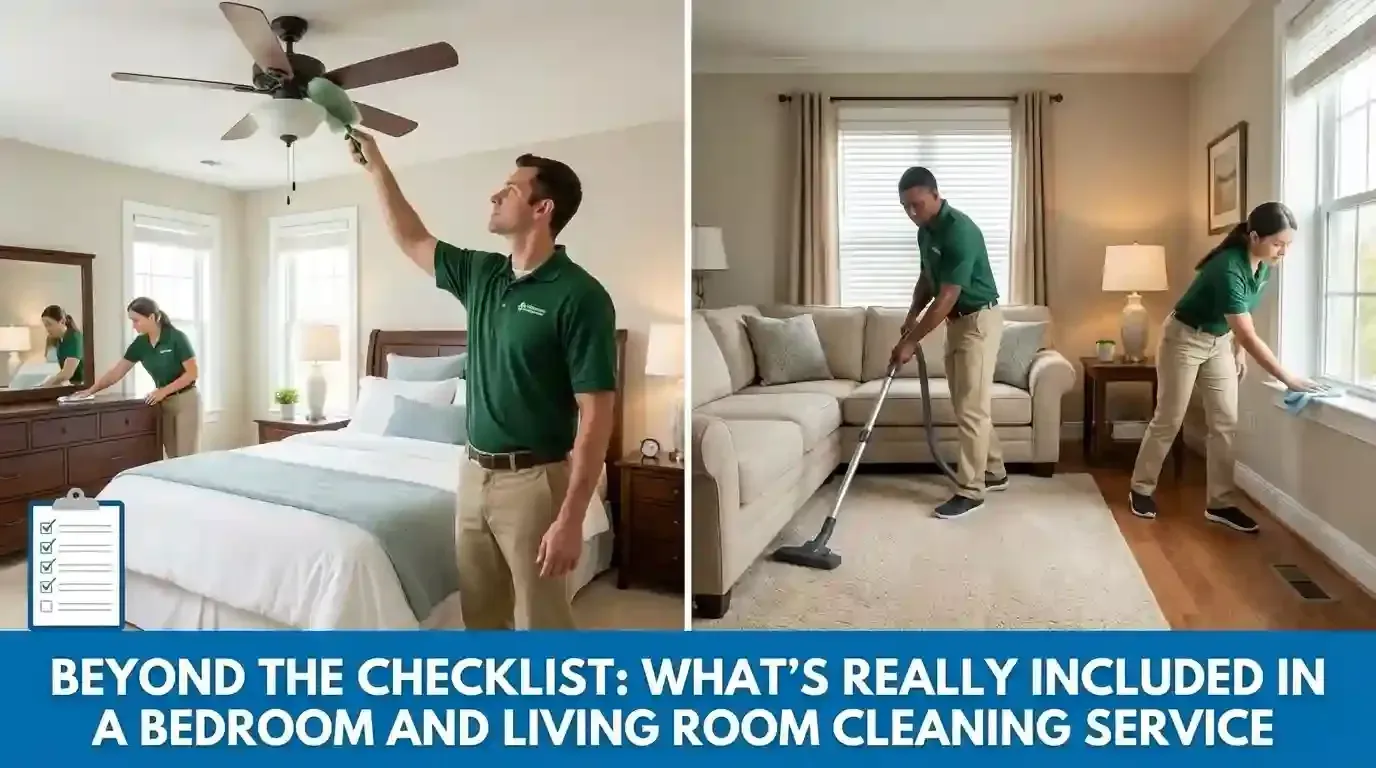
Beyond the checklist: What's really included in a bedroom and living room cleaning service A professional bedroom and living room cleaning service typically includes dusting all surfaces, vacuuming or mopping floors, removing cobwebs, and emptying trash. However, the true scope of work and the quality of the result depend on whether it's a standard or deep clean and your own strategic communication with the cleaning team. The Standard Cleaning Checklist: Setting the Foundation When you first book a residential cleaning service , whether for a one-time cleaning or a recurring schedule, the company will typically work from a standard cleaning checklist. This list forms the baseline for what you can expect and ensures a consistent level of service for every home. It’s the essential framework for bringing order and cleanliness back to your personal spaces. Think of it as the foundational layer of professional house cleaning. A typical house cleaning service checklist includes tasks like dusting, cleaning floors, cleaning kitchens and bathrooms, and changing linens according to industry experts . For the bedroom and living room specifically, this translates into a series of predictable, yet crucial, housekeeping tasks designed for maintenance. Here is a list of what's generally included in a standard clean for these common areas: Dusting Surfaces: This covers all accessible surfaces, including nightstands, dressers, coffee tables, end tables, entertainment centers, and bookshelves. Picture frames and lampshades are also typically dusted. Floor Care: This involves vacuuming carpets and area rugs, including moving light furniture to clean underneath. For hardwood or tile, this means sweeping and mopping floors to remove dirt and grime. General Tidying Up: A professional will perform a light straightening up, such as fluffing cushions and pillows on the sofa or making the bed. If you've requested it, this may also include changing linens. Mirrors and Glass: Cleaning interior sliding glass doors (smudges and fingerprints) and wiping down mirrors are standard. Finishing Touches: This includes removing cobwebs from corners and ceilings and emptying trash bins. This service is designed to maintain a clean home, but it's important to understand its limits. The primary goal is the removal of most germs, dirt, and impurities from surfaces using soap, water, and scrubbing, which is the very definition of cleaning provided by the CDC . It's not designed to tackle years of buildup or address less-frequently cleaned areas. For that, you need a different strategy. The Hidden Cost of Clutter: How Preparation Unlocks True Value Here’s a truth we’ve learned from years in the professional cleaning industry: the single biggest obstacle to a spectacular clean isn't dirt—it's clutter. We call the time a professional cleaner spends picking up toys, clothes, and papers the "Clutter Tax." Every minute they spend tidying is a minute they aren't deep cleaning your home. The good news is that you can eliminate this tax entirely. A mere 15 minutes of your own prep work can unlock an hour of deep, focused cleaning from your professional. When a cleaner arrives at a room that has been pre-tidied, they can immediately begin the real work. They can go straight to dusting furniture, wiping baseboards, and vacuuming upholstery instead of first having to clear the space. When clients ask, "What should a cleaner do in 3 hours?" the answer dramatically changes based on the state of the home. In a cluttered house, three hours might only cover the basics. In a prepared home, three hours is enough time for a thorough, detailed clean that leaves the space feeling completely refreshed.  A great way to prepare is by using a simplified version of the 5x5 rule for cleaning. Before your maid service arrives, take five minutes in each room to put away five things that are out of place. This small effort clears the way for your professional to focus on high-impact tasks, dramatically increasing the value you get from your investment. Beyond the Checklist: A Strategic Approach to a Deeper Clean While a standard cleaning checklist is a great starting point, the most satisfying results come from a partnership between the homeowner and the cleaning professional. This involves clear communication and directing the cleaner’s time and effort toward the areas that matter most to you. This is how you transform a basic service into a custom cleaning plan tailored to your home. The Pre-Clean Walkthrough: Your Strategic Briefing The most effective tool for a customized clean is the pre-clean walkthrough. This is a brief, five-minute tour you take with your cleaner upon their arrival. Instead of handing them a list, you communicate your priorities and point out your personal "hot spots." This isn’t about micromanaging; it’s about providing strategic direction. For example, you might say, "The dust on the ceiling fan in the living room has been bothering me for weeks," or "Could you pay special attention to the baseboards behind the couch? The dust really collects there." This briefing transforms the service from a generic set of tasks into a targeted solution for your specific needs, ensuring a higher level of satisfaction. Identifying Your 'High-Impact Zones' for Maximum Effect Every home has "High-Impact Zones"—often-neglected areas that, when cleaned, make the entire room feel profoundly different. A professional cleaning company knows how to tackle these, but directing their focus ensures they get the attention they deserve. These areas often fall outside a weekly cleaning service but are key to a restorative, deep clean feel. Key high-impact zones in bedrooms and living rooms include: Baseboards and Door Frames: Wiping down doors and door frames removes scuffs and dust that you may not consciously notice, but their cleanliness brightens the whole room. Light Fixtures and Ceiling Fans: Dust and cobwebs accumulate quickly here. Cleaning light fixtures can literally make the room brighter. Window Sills and Blinds: These are classic dust traps. A thorough dusting or wiping here makes a huge difference, especially in sunny rooms. - Light Switches and Door Knobs: Sanitizing these high-touch surfaces is crucial for hygiene and contributes to the overall feeling of a clean space. Under and Behind Furniture: Moving furniture to vacuum and clean underneath is a hallmark of a deep cleaning service. Task Rotation: The Secret to Long-Term Maintenance For those with a recurring cleaning service, task rotation is a powerful strategy. It's not feasible or necessary to deep clean every corner of your house during every visit. Instead, you can create a rotating schedule of deep cleaning tasks. This approach maintains a consistently high level of cleanliness over time without the need for a massive, infrequent deep clean. As a guideline, a deep clean is a thorough process that should ideally be done once or twice a year, as opposed to regular, more frequent housekeeping according to home experts . For example, your plan could look like this: First Visit of the Month: Deep clean the baseboards and dust all the blinds in the living room. Second Visit: Focus on wiping down all doors, door frames, and light switches in the bedrooms. Third Visit: Clean the ceiling fans and light fixtures throughout the home. Fourth Visit: Pull out sofas and chairs to vacuum thoroughly behind and underneath them. This method ensures that over the course of a month or two, your entire home receives deep-clean attention in manageable, consistent cycles. Comparing Your Cleaning Service Options Understanding the differences in approach helps you choose the right service. Here’s a breakdown of the most common options and how they stack up. Standard Checklist Cleaning This is the default for most home cleaning packages. It's efficient, predictable, and excellent for regular maintenance. The scope is defined by a checklist, ensuring all basic tasks are completed. It's perfect for keeping an already tidy home in top shape but may miss areas that are personal pain points for you. This service focuses on the most visible and frequently used areas of your living space. Customized Deep Cleaning A deep clean goes much further than a standard service. In fact, deep cleaning includes standard cleaning tasks plus less-frequent jobs like cleaning walls, steam cleaning carpets, and polishing appliances as defined by industry standards . This is a restorative, top-to-bottom service. It often includes add-on services that require specific requests and budgeting, such as cleaning inside an oven ($20-$50) or refrigerator ($10-$40) according to cost data . While incredibly thorough, a full deep clean may not be necessary for every visit. Homeowner Preparation & Direction This is the strategic middle ground. It starts with a standard service (or a deep clean) and elevates it with your personal involvement. By preparing your space and providing clear direction during a walkthrough, you transform the service. The professional's time is spent on your priorities, maximizing the cost-to-value ratio and ensuring the final result aligns perfectly with your expectations. Understanding the Key Decision Factors When booking a cleaning service, your decision should be guided by a few key factors. Thinking through these will help you communicate effectively with your cleaning company and ensure you get exactly what you need. Scope of Work (Standard vs. Deep Clean/Add-ons) Are you looking for weekly upkeep or a major seasonal reset? A standard service is for maintenance. A deep clean is for restoration. Be clear about your needs so the professional cleaning company can allocate the right amount of time and bring the correct cleaning supplies and equipment. Desired Outcome (Basic Maintenance vs. Restorative Clean) Do you want the house to look good, or do you want it to feel brand new? A maintenance clean keeps chaos at bay. A restorative clean tackles the grime on baseboards, the dust on ceiling fans, and the smudges on door frames that accumulate over time. Knowing your desired outcome helps you direct your cleaner's focus. Level of Personal Involvement in Directing the Service Do you prefer a "set it and forget it" service, or are you willing to invest a few minutes before each clean to provide direction? A standard checklist requires no involvement, while a strategic approach requires a small but highly valuable time investment from you. Cost-to-Value Ratio for Customized Tasks Many people ask, "How much should I pay a cleaner per hour?" While hourly rates and flat-rate cleaning costs are important, the real question is about value. Paying for a professional to spend 30 minutes picking up clutter offers low value. Paying for that same 30 minutes to be spent scrubbing scuff marks off your baseboards offers exceptionally high value. Your preparation directly impacts this ratio. Making the Right Choice for Your Needs Ultimately, the best approach depends on your lifestyle, goals, and budget. There is no single right answer, only the right answer for you. For the Busy Professional Your time is your most valuable asset. The ideal solution is a recurring cleaning service (bi-weekly or monthly) that provides consistent, reliable maintenance. Start with an initial deep clean to reset the home. After that, you can trust your insured and bonded cleaners to handle the basics with minimal oversight, freeing up your mental energy and time for work and family. For the Event Host You have a deadline and need a high-impact, visible result. A one-time deep cleaning service is your best bet. Before the service, conduct a strategic briefing to focus the team's efforts on the common areas your guests will see, like the living room, entryway, and guest bedroom. Point out high-impact zones like smudged windows, dusty light fixtures, and baseboards to ensure a photo-ready finish. For the Detail-Oriented Homeowner You appreciate the difference between a surface-level tidy and a truly deep clean. You understand that a generic checklist won't address the specific things that bother you. The partnership approach is perfect for you. Choose a recurring service and implement a task rotation system. Use a pre-clean walkthrough at every visit to direct your professional cleaner to your current priorities, ensuring those often-missed details are always addressed. The key to unlocking the full potential of any professional house cleaning service lies in understanding that the checklist is just the beginning. By strategically preparing your home and communicating your priorities, you transform a standard service into a personalized experience that directly invests in your quality of life. At Cleaning Pros in Versailles, KY, we believe in building that kind of partnership with our clients. For a personalized assessment and a free cleaning quote, contact our expert team today and let's create a custom cleaning plan for your home.
What a professional bathroom cleaning service actually does (and why it’s different from yours)
By Ronnie Proctor November 11, 2025
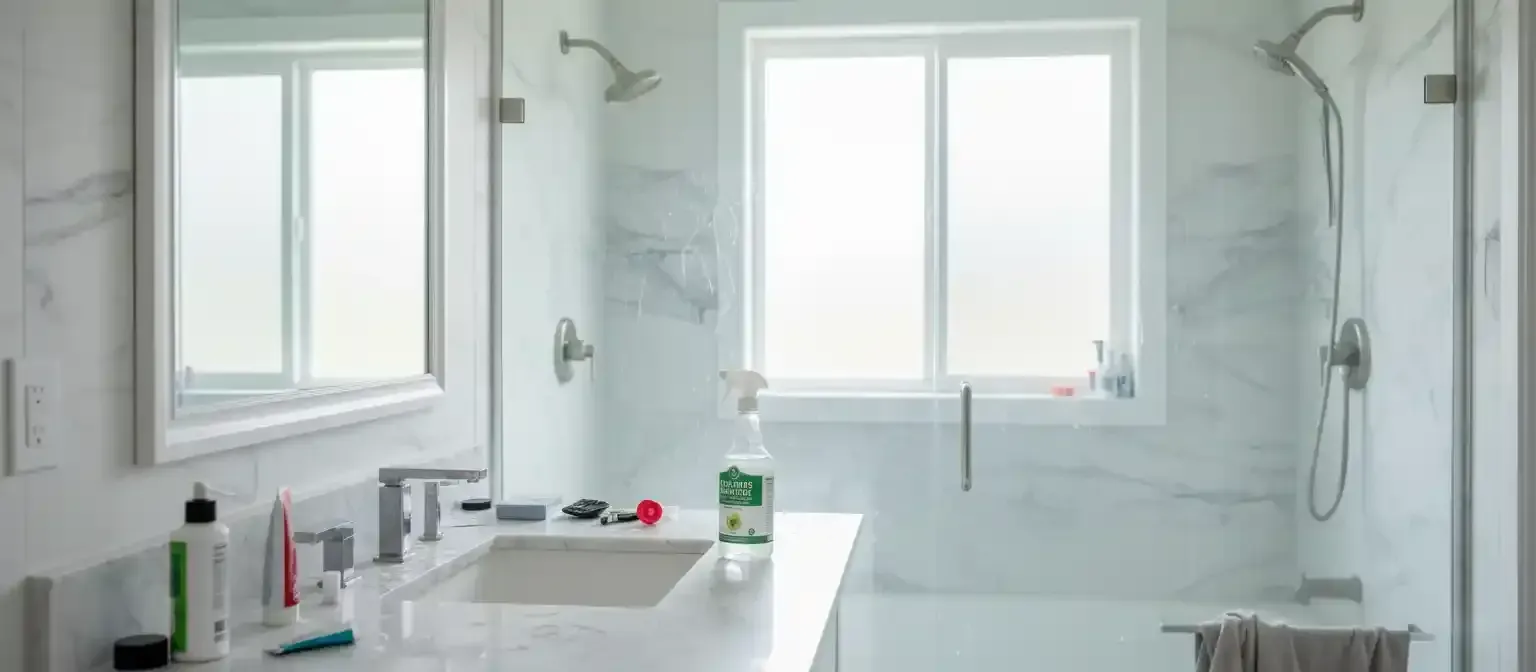
A professional bathroom cleaning service delivers a systematic, restorative process that goes far beyond a typical surface wipe-down. It employs a specific top-to-bottom methodology, commercial-grade solutions, and specialized tools to safely eliminate deep-seated grime, hard water scale, and soap scum that standard consumer products and DIY techniques simply cannot resolve. Beyond the Surface: What Defines a Professional Bathroom Cleaning? Many homeowners wonder if hiring a professional service is truly worth it. After all, you wipe down the counter, scrub the toilet, and spray the shower every week. What more is there to do? The difference lies not just in the thoroughness, but in the methodology, science, and experience a professional brings to this challenging space. What to expect when maids clean your bathroom is a complete shift in perspective—from a temporary tidy-up to a deep, restorative clean. A routine DIY clean often masks underlying issues. The faint ring of hard water at the faucet's base, the slow-building haze on the shower door, the discolored grout lines—these are the problems that escalate over time. A professional service is designed to reverse this buildup and establish a new, higher standard of clean that is then easier to maintain. It’s an investment in the health of your home and the reclaiming of your valuable time. The 'Top-to-Bottom' Methodology: A Systematic Approach to Clean One of the first things you'll notice about a professional cleaner is that they don't just start scrubbing the first dirty surface they see. They follow a strict, efficient system: the 'top-to-bottom, left-to-right' methodology. This isn't just a quirky habit; it's a core principle of professional cleaning designed to ensure total coverage without re-contaminating cleaned areas. Gravity is an unavoidable partner in cleaning. Dust, debris, and cleaning solution residue will always fall downwards. By starting high, professionals ensure that any dislodged particles land on surfaces that have yet to be cleaned. A typical workflow looks like this: High Dusting and Vents: The process begins with dusting ceiling corners, light fixtures, and cleaning the bathroom vent cover to remove accumulated dust and prevent it from circulating in the air. Walls and Tile: Next, they address the upper sections of the walls and shower tile, wiping down surfaces and spot-cleaning any marks or splatters. Showers and Tubs: This is an intensive part of the service. They'll treat and scrub the shower doors, walls, fixtures, and tub basin. This is where professional soap scum removal techniques are critical. Vanity, Sink, and Mirrors: They then move to the vanity area, cleaning mirrors for a streak-free finish, sanitizing countertops, and deep cleaning the sink and faucet. This includes professional vanity and sink cleaning that addresses the overflow drain and faucet base. The Toilet: A professional toilet deep cleaning service is comprehensive. They clean the entire exterior, from the tank top to the base, including the tricky-to-reach areas around the hinges and where the bowl meets the floor, before thoroughly sanitizing the bowl itself. Floors: The final step is a thorough bathroom floor deep cleaning. This includes sweeping or vacuuming to remove all hair and debris, followed by a meticulous mopping, paying special attention to corners and baseboards. Any deep cleaning of grout between bathroom tiles is also performed at this stage. This systematic approach ensures every square inch of the space is addressed efficiently, forming the backbone of any professional bathroom cleaning checklist.
cleaning for good mental health
By Ronnie Proctor November 11, 2025
Engaging a professional cleaning service is far more than a luxury or a simple convenience; it is a strategic decision to offload a significant source of cognitive load. By outsourcing the physical and mental work of maintaining your home, you free up finite emotional resources, reduce chronic stress, and reclaim valuable time that can be reinvested in relationships, personal growth, and deep work. The hidden mental cost of a never-ending to-do list For many, the state of their home acts as a persistent, low-grade stressor. It’s the "background hum" of undone chores: the dusty shelves you notice while trying to relax, the smudged windows that catch the morning light, the bathrooms that always seem to need attention. This isn't just a list of tasks; it's a constant drain on your mental energy. Every time you see something that needs cleaning , your brain registers an incomplete task, adding to your cognitive load. This feeling of being perpetually behind can be deeply overwhelming. As clinical associate professor of psychiatry Dr. Gail Saltz explains, when cleaning remains on a long to-do list, "it can make you feel even more overwhelmed as you live in and look at it." This constant reminder of what isn't done contributes to decision fatigue and can significantly impact your overall mental health. Outsourcing this work silences that background hum, eliminating a primary source of anxiety and creating a truly restorative home environment. Breaking the cycle: How overwhelm prevents a clean home A messy or cluttered home can create a powerful, self-perpetuating cycle. The mess itself feels overwhelming, which leads to a state often described as "cleaning paralysis"—the feeling of being so swamped you don't even know where to begin. This inaction, of course, allows the mess to grow, which in turn deepens the feeling of overwhelm. For many, this isn't about laziness; it's about being mentally and emotionally depleted. A scheduled, professional house cleaning service acts as a "circuit breaker" for this vicious cycle. It provides a regular, predictable reset button. Knowing that professionals are coming to handle the deep cleaning provides immense mental relief. This leads to the powerful psychological benefit of "delegated completion." You achieve the profound sense of calm and control that comes from a completed task—a fresh, clean home—without having to deplete your own finite energy reserves to get there. This is a core reason why maid service for stress management is so effective.
The surprising science of a healthy home: why targeted cleaning is better than sterilizing
By Ronnie Proctor November 10, 2025
The most significant health benefits of a regular house cleaning schedule come not from trying to create a sterile, germ-free bubble, but from implementing 'targeted hygiene'—a strategic approach that neutralizes specific health threats like pathogens and allergens. This method improves physical and mental well-being while correcting the common misunderstanding that a clean house weakens the immune system. Deconstructing the "hygiene hypothesis": why your clean house isn't the enemy For years, a persistent idea has circulated: our modern obsession with cleanliness is making us sick. This concept, known as the "hygiene hypothesis," has led many to believe that a little dirt is good for us and that regular cleaning might be harming our immune systems. But the science tells a different, more nuanced story. The theory originally proposed that the rise in allergies and autoimmune issues could be linked to a lower rate of infection in early childhood, as researchers first suggested . The idea was that without early exposure to certain germs, our immune systems don't learn to regulate themselves properly. However, this has been widely misinterpreted to mean that any and all cleaning is detrimental. In reality, the critical factor isn't the dust on your bookshelf; it's the lack of exposure to a wide variety of microorganisms from our broader natural environment—something a messy house simply can't replicate. Further studies have shown that the increase in allergic disorders does not correlate with the decrease in pathogenic organisms, nor can it be explained by changes in domestic hygiene . In other words, washing your hands or wiping your counters isn't the cause of rising allergy rates. The real issue is that our modern lifestyles have disconnected us from the rich microbial diversity found in soil, farms, and nature. To clarify this crucial distinction, many researchers now suggest renaming the theory to the "microbial exposure" hypothesis. This shift rightly places the focus on gaining diverse environmental exposure, not on avoiding basic home sanitation. The power of "targeted hygiene": cleaning smarter, not harder So, if scrubbing everything into oblivion isn't the answer, what is? The solution is a more intelligent approach called "targeted hygiene." This strategy moves away from the goal of a sterile environment and instead concentrates effort and resources on the specific places and times where harmful microbes are most likely to spread. This is the core of how professional cleaning can eliminate bacteria and germs effectively without going overboard. Think of it as strategic defense. Instead of a constant, exhausting war on all germs, you focus on critical control points. This includes: High-Risk Surfaces: Kitchen counters after preparing raw meat, doorknobs and light switches during flu season, bathroom fixtures, and remote controls. These are the superhighways for germ transmission in a home. Critical Moments: Cleaning and disinfecting are most crucial after someone in the house has been sick, after guests have visited, or during seasons when respiratory illnesses are common. Food Safety Zones: Maintaining a sanitary kitchen and bathroom is non-negotiable for preventing foodborne illnesses and the spread of pathogens like E. coli and salmonella. Adopting a targeted hygiene mindset means you can maintain a truly healthy living environment without the need for harsh chemicals on every surface, every day. It's about precision, not just power, and forms the basis of any house cleaning schedule for optimal health.
happy family in clean home
By Ronnie Proctor November 9, 2025
Hiring a professional cleaning service offers a powerful benefit to your mental well-being that goes far beyond a sparkling countertop. The most significant impact isn't the clean home itself, but the permanent disruption of the "chore cycle"—the exhausting loop of stress, decision fatigue, and relational friction that comes with maintaining a household.
finishing house cleaning job
By Ronnie Proctor November 8, 2025
Effective recurring house cleaning offers profound health benefits that extend far beyond a sparkling surface. Its primary value isn't in creating a sterile, germ-free zone—a common misconception—but in systematically managing your home's unique ecosystem. This strategic approach reduces harmful allergens and pathogens while significantly lowering the cognitive load and chronic stress that weaken your body's natural immune defenses, leading to improved physical and mental well-being.
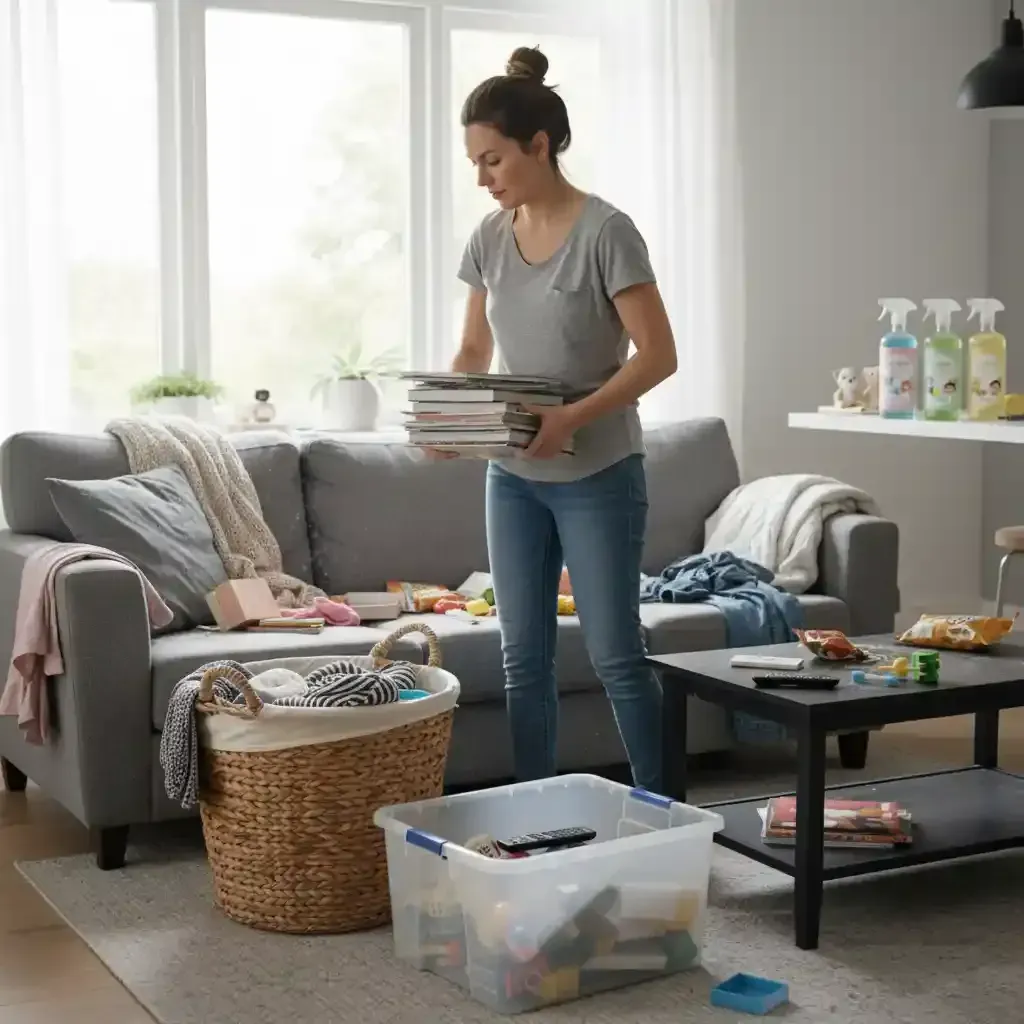
organizing clutter before deep clean
By Ronnie Proctor November 7, 2025
The body content of your post goes here. To edit this text, click on it and delete this default text and start typing your own or paste your own from a different source.
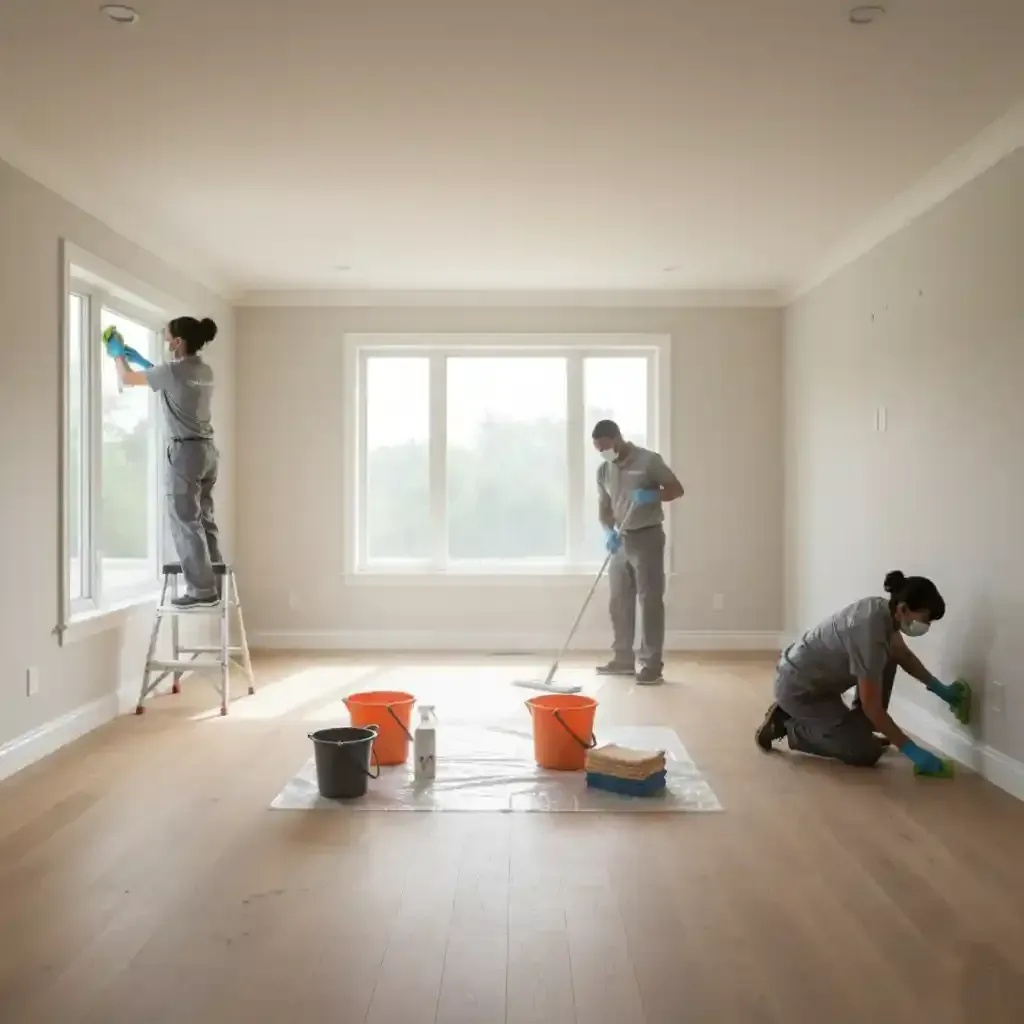
pros cleaning after move out
By Ronnie Proctor November 6, 2025
Instead of viewing a professional move-out clean as an avoidable expense, savvy renters should treat it as a high-yield investment that effectively 'buys back' their security deposit and eliminates the significant financial risk of a DIY clean. A professional service delivers a guaranteed, landlord-approved result that saves time, reduces stress, and protects your rental history for future moves.
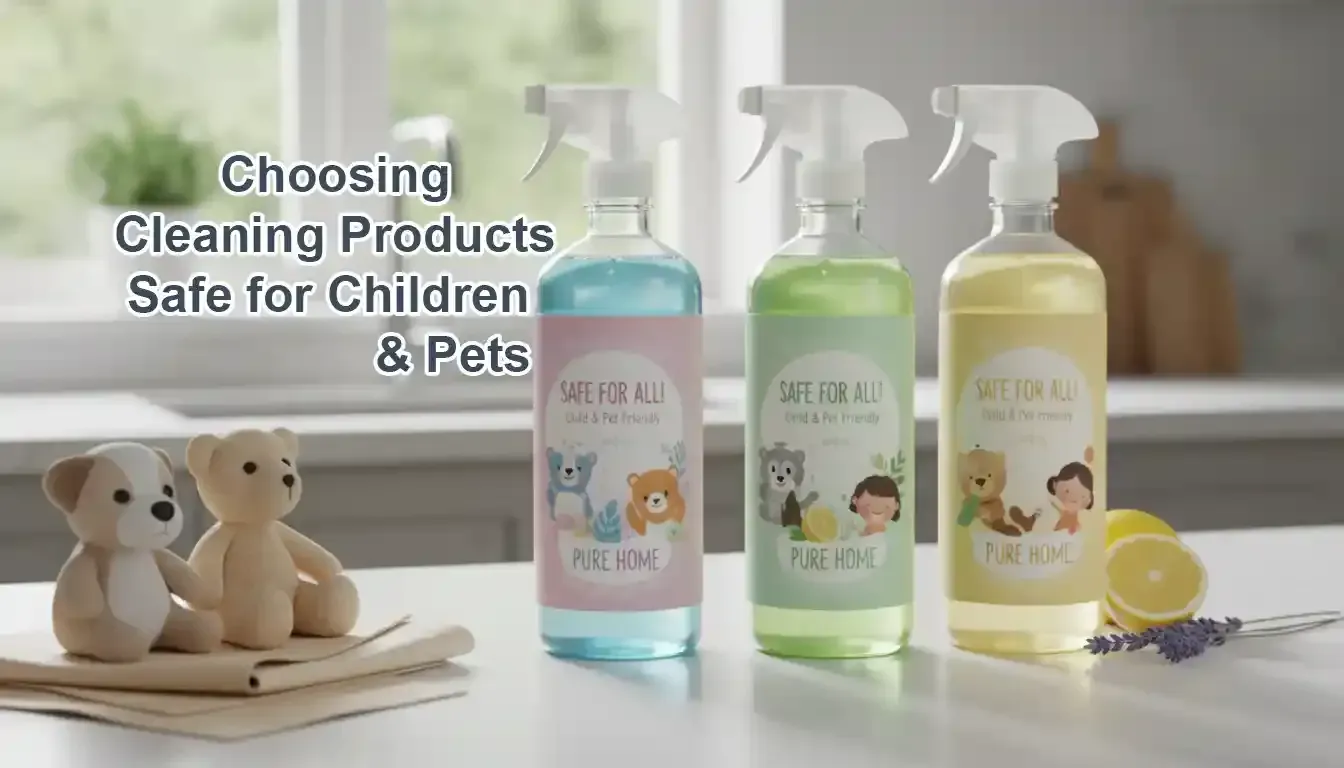
safe cleaning supplies
By Ronnie Proctor November 5, 2025
he safest cleaning products for pets and children aren't just those with "non-toxic" labels, but those used within a safety-focused methodology. The best approach is a "Floor-Level Risk Assessment," which prioritizes safety based on how crawling babies and pets actually interact with their environment—through paws, mouths, and low-level inhalation—and tailors your cleaning process and product choice to mitigate those specific risks. The hidden flaw in "pet-safe" marketing As a professional in the cleaning industry for over a decade, I've seen a surge in products marketed as "pet-safe," "child-safe," or "natural." This is a fantastic development, driven by homeowners who are rightly concerned about the health of their families. But this focus has created a dangerous blind spot: we’ve become so obsessed with the ingredient list that we've forgotten how safety actually works in a real-world home. The truth is, a safe ingredient list doesn't guarantee safety from exposure. Think about your cat. After you mop, she walks across the still-damp floor. The cleaner, even if it's a "gentle" one, gets on her paw pads. What's the next thing she does? She finds a sunny spot, curls up, and begins meticulously grooming herself, licking her paws clean. She has now directly ingested a cleaning product, regardless of its marketing claims. This is just one example of how many common cleaning products contain ingredients that are dangerous for pets to "ingest, inhale or even absorb through the skin while moving about and licking their paws." This is the core problem with a purely product-centric approach. It assumes that if the ingredients are "good," the product is risk-free. It fails to account for the unique behaviors of our most vulnerable family members. A crawling baby exploring the world with their hands and mouth, a dog sniffing every corner of the floor, or a bird sensitive to airborne particles all face different risks than a standing adult. To achieve true safety, we need to shift our thinking from the bottle to the floor. A smarter methodology: The floor-level risk assessment Instead of an endless search for the "perfect" product, I teach our clients a simple, effective methodology: the Floor-Level Risk Assessment. It’s a practical way of looking at your home through the eyes—and nose, and paws—of your pets and children. It involves three simple steps: mapping your home's hazard zones, adopting a "two-bottle" cleaning system, and focusing on process over product. Step 1: Map your home's "hazard zones" Not all surfaces in your home carry the same level of risk. By categorizing them, you can use the right cleaner for the right job without exposing your family to unnecessary chemicals. High-Contact Zones: These are the areas where your pets and children spend most of their time and have direct physical contact. This includes all flooring (wood, tile, vinyl, carpet), low window sills, pet beds, the floor around food and water bowls, and the bottom rungs of chairs. For these areas, the primary goal is to leave behind zero harmful residue. These are your most critical safety areas. Low-Contact Zones: These are surfaces generally out of reach. Think kitchen countertops, high shelves, the top of the refrigerator, and bathroom vanities. While you still want to use safe cleaners, a child is unlikely to lick a countertop, and a dog can't reach a high shelf. Here, you have more flexibility to use a stronger disinfectant when needed, as long as you use it safely. Step 2: Build your "two-bottle" cleaning kit Based on your hazard zones, you don't need a cabinet full of dozens of specialized cleaners. You primarily need two. Bottle #1: The Floor-Level Solution (For High-Contact Zones) This is your daily workhorse for all high-contact surfaces. The single most important quality for this cleaner is that it is a residue-free pet safe floor cleaner . When it dries, it should leave nothing behind for paws or little hands to pick up. Excellent Commercial Options: Look for products specifically labeled "residue-free." Brands that focus on plant-based ingredients and simple formulas are often a good start. When looking for a pet safe wood floor cleaner or a cat safe multi-surface cleaner for your floors, prioritize brands with full ingredient transparency. Search terms like "safest floor cleaner for crawling babies and pets" or "lick-safe floor cleaner for dogs" can yield good results. Effective DIY Pet Safe Cleaning Solutions: For most routine mopping, a simple solution of one part white vinegar to four parts warm water is incredibly effective. The acetic acid in white vinegar, a common DIY cleaning ingredient, is effective at cutting grease and can prevent mold and mildew buildup. It answers the common question, "what can I use to mop my floor with a dog?" safely and cheaply. It's also a great option for cleaning pet bowls without harsh chemicals. Just be sure to let the scent dissipate before letting pets back in the area. Important: If you make your own cleaner, please remember that a key safety tip is to "Always label any bottles of DIY cleaners with all the ingredients inside... in case a child or animal gets into it." Bottle #2: The Targeted Disinfectant (For Low-Contact Zones & Specific Messes) This is your more powerful cleaner for disinfecting kitchen counters after handling raw meat, cleaning bathrooms, or tackling a serious pet mess in a targeted way. Here, you can use a product with stronger disinfecting properties, but it must still be used with care. What to Look For: Seek out products that use disinfectants like hydrogen peroxide, citric acid, or thymol. These are generally considered safer than bleach or ammonia-based products. There are many child safe disinfectant wipes and dog safe disinfectant sprays on the market that fit this description. What to Avoid: Try to find cleaning products without ammonia or bleach. Also, be wary of products with "fragrance" as a listed ingredient, as this can hide a cocktail of irritating chemicals. For homes with pets, especially birds, VOC-free cleaners for pet households are the gold standard. Step 3: Prioritize process over product This is the most critical step and the one most often overlooked. The safest, most organic cleaning product in the world can still be a hazard if used improperly. Your technique matters more than the brand you buy. The Final Rinse: For any surface a pet or child will touch—especially floors, crates, or high chairs—do a final wipe-down with a clean cloth and plain water after cleaning. This one extra step physically removes any lingering residue, offering a nearly foolproof layer of safety. Ensure Dryness: Never let pets or children onto a wet, freshly cleaned floor. Allow surfaces to dry completely. This prevents the paw-to-mouth transfer that makes even "safe" products a risk. Ventilate, Ventilate, Ventilate: Open windows when you clean. This disperses fumes and volatile organic compounds (VOCs) that can irritate sensitive respiratory systems. This is especially important for pets with powerful noses; for example, because dogs have a much stronger sense of smell than humans, harsh chemicals like bleach can be toxic through inhalation. Good ventilation also helps your home smell fresh naturally. Decoding the real dangers: Beyond a simple "bad ingredients" list To truly protect your family, it helps to understand *why* certain chemicals are so dangerous. It’s not just about them being "toxic"; it's about the specific ways they can harm a small body. Unfortunately, understanding this is made harder because no federal law requires companies to disclose all cleaning product ingredients on the label , making your vigilance even more important. Key Chemical Risks & Exposure Pathways Ammonia Primary Risk: Respiratory Irritant. Exposure Pathway: Inhalation. Why it's a Problem: Ammonia releases powerful fumes that can damage the respiratory tracts of pets and children. A dog's sensitive nose is particularly vulnerable. Found in many glass cleaners and all-purpose cleaners. Chlorine Bleach Primary Risk: Severe irritant to skin, eyes, and respiratory system. Exposure Pathway: Inhalation, Skin Contact, Ingestion. Why it's a Problem: The fumes are a major hazard, and direct contact can cause chemical burns. If licked off a paw or surface, it can cause severe internal damage. Never mix bleach with ammonia, as it creates toxic chloramine gas. Phenols (e.g., Pine-Sol) Primary Risk: Liver and kidney damage, especially in cats. Exposure Pathway: Paw/Skin Absorption, Ingestion. Why it's a Problem: Cats lack a specific liver enzyme needed to metabolize phenols. When they walk across a floor cleaned with a phenolic compound, they absorb it through their paw pads. Over time, this can lead to severe poisoning. This is why questions like "is Pine-Sol safe for dogs" (it's risky) and even more so for cats are critical. Quaternary Ammonium Compounds ("Quats") Primary Risk: Skin and respiratory irritation, potential reproductive harm. Exposure Pathway: Skin Contact, Ingestion from residue. Why it's a Problem: These are common disinfectants found in products like Lysol and many disinfectant wipes. They are designed to be left on a surface to kill germs, which means they are designed to leave a residue. Some ammonium quaternary compounds are linked to reproductive harm in animal studies, asthma, and irritation. This is why simply wiping a surface with a disinfectant wipe and letting it dry is not a safe practice in a home with pets and babies who will inevitably touch that surface. A final water rinse is non-negotiable. Comparing safety approaches: Product vs. methodology So, which path should you choose? Relying on product labels or adopting a safety methodology? The product-centric safety approach This involves searching online for lists of "best pet safe cleaning products" and trusting the marketing claims on the bottle. You might search for "pet safe cleaning products on Amazon" or "best green cleaning products for pet allergies" and buy whatever has the best reviews. Pros: It feels fast and easy. It requires minimal change to your existing cleaning habits. Cons: It provides a false sense of security. It fails to account for exposure risks like paw-licking or a baby's hand-to-mouth behavior. It also puts your trust in marketing language that can be misleading, especially when companies aren't required to list all ingredients. The methodology-based safety approach (Floor-Level Risk Assessment) This involves assessing your home's unique risks, separating your cleaning tools by "zone," and focusing on safe processes like rinsing and drying. Pros: It creates a truly secure environment by mitigating the actual routes of exposure. It empowers you with knowledge, reduces the overall chemical load in your home, and is often more cost-effective. Cons: It requires a small, initial investment of time and a conscious shift in your cleaning habits. Frequently asked questions about safe cleaning Navigating this topic can be confusing. Here are direct answers to some of the most common questions we hear. What cleaning products are safe to use around pets? The safest products are those with simple, transparent ingredient lists that are used as part of a safe process. For floors and high-contact areas, a residue-free cleaner or a simple mix of vinegar and water is best. For other surfaces, look for disinfectants based on hydrogen peroxide or citric acid. Ultimately, any product is safer when you rinse the surface with water afterward, ensure it's dry, and ventilate the area. How can I make my house smell good without harming my pets? Many air fresheners, plug-ins, and scented candles release VOCs that are harmful to pets, especially birds. Instead of masking odors, eliminate them. Use baking soda to absorb odors in carpets and upholstery. The best way to get a fresh smell is ventilation—open the windows. You can also simmer spices like cinnamon and cloves in a pot of water on the stove for a natural, safe scent. What can I mop with that's safe for pets? For routine mopping, a solution of 1 part white vinegar to 4 parts water is one of the safest and most effective options. If you prefer a commercial product, search specifically for a "residue-free pet safe floor cleaner" and check the ingredients for transparency. No matter what you use, rinsing with a plain water mop afterward adds a crucial layer of safety. Is Lysol safe for kids and pets? Lysol products typically use Quaternary Ammonium Compounds ("Quats") as their disinfectant. As discussed, these chemicals are designed to leave a residue and are linked to health concerns. Therefore, Lysol is not a "lick-safe" or residue-free product. If you must use it (for example, to disinfect an area after an illness), it should only be used on low-contact surfaces, the area should be heavily ventilated, and the surface must be thoroughly rinsed with plain water and dried completely before allowing pets or children near it. Making the right choice for your needs There is no single "best" solution for every family. The right approach depends on your lifestyle, your concerns, and the time you have available. For the anxious new parent/pet owner You're overwhelmed by conflicting advice and just want to know your crawling baby or new puppy is safe. Your best bet is to immediately adopt the "Two-Bottle" approach. Use a simple vinegar-and-water solution for all your floors. The smell dissipates quickly, and you'll have instant peace of mind knowing there's no harmful chemical residue. For other surfaces, get a well-regarded, fragrance-free, plant-based cleaner. The most important habit for you is the final water rinse on any surface your little one might touch. This simple, clear directive cuts through the noise and eliminates the most immediate risks. For the eco-conscious DIYer You prefer using natural, homemade solutions and want to avoid commercial products. This is a great instinct. Solutions with vinegar, baking soda, and water are excellent for general cleaning. Vinegar is a fantastic degreaser, and baking soda is a gentle abrasive and deodorizer. Your primary concern should be understanding the limitations of your tools. While effective for cleaning, vinegar is not an EPA-registered disinfectant, so it may not be sufficient for sanitizing after contact with raw meat or in a bathroom. Also, be disciplined about safety: always label your homemade solutions clearly with all ingredients. Your strength is your control over the ingredients; your challenge is ensuring you're using the right tool for the job. For the busy professional with a family You value safety and a clean home, but you simply don't have the time to research every ingredient or add extra steps to your cleaning routine. For you, convenience and trust are paramount. The most effective and time-saving solution is to partner with a professional cleaning service that already understands and implements a methodology like the Floor-Level Risk Assessment. When vetting a service, ask them specifically about their process. Don't just ask if their products are "pet-safe." Ask them: "How do you ensure no harmful residue is left on my floors? What are your procedures for disinfecting while keeping my pets and children safe?" A quality, expert service will have confident, detailed answers that align with the principles of process-based safety. Ultimately, creating a safe home is about being intentional. By shifting your focus from the product label to the process of cleaning, you empower yourself to protect your family in a more meaningful and effective way. Whether you choose a DIY path, carefully selected products, or a trusted professional partner, this methodology provides a reliable framework for a truly clean and safe home . Here at Cleaning Pros Lexington KY, we have built our entire cleaning process around this floor-level safety philosophy. We understand the unique concerns of households with pets and children because we're part of the same community. Our teams are rigorously trained to use the right products for the right zones and to ensure a residue-free finish on all high-contact surfaces, giving you peace of mind without adding to your workload. If you're in the Lexington area and want a home that's not just clean, but truly safe for your entire family, contact our expert team today for a personalized assessment and a free, no-obligation quote.